
Introduction
Island Peak Climbing is one of Nepal’s most popular Himalayan climbing adventures, offering trekkers an opportunity to move beyond conventional high-altitude trekking and experience the excitement of reaching a Himalayan summit. Officially known as Imja Tse, Island Peak rises to approximately 6,189 meters above sea level in the Everest region. Its impressive location, manageable technical sections, and spectacular mountain surroundings make it an attractive objective for climbers seeking their first major Himalayan peak.
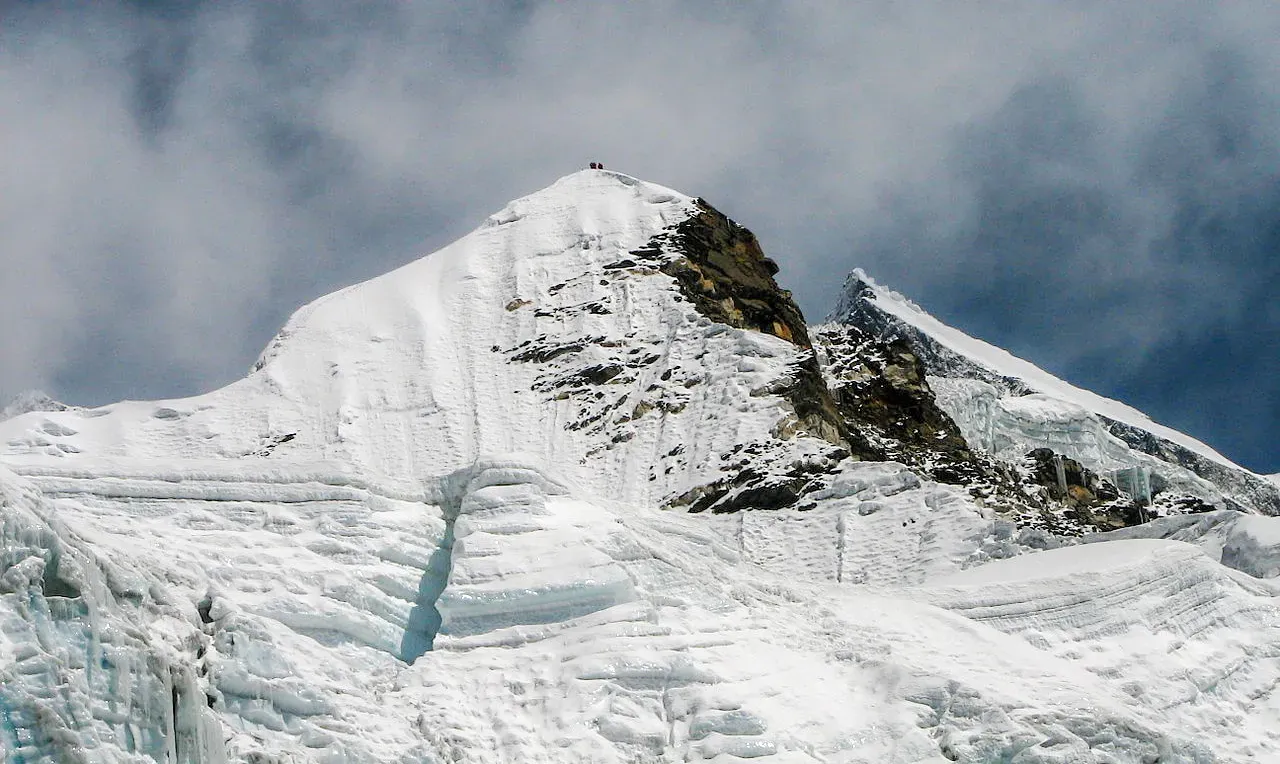
The mountain is surrounded by some of the world’s most famous peaks, including Lhotse, Nuptse, Ama Dablam, and Mount Everest. The journey combines classic Everest-region trekking with glacier travel, steep snow and ice sections, and a rewarding summit ascent.
Although Island Peak is often described as a suitable introductory climbing peak, it should not be underestimated. Climbers need good physical fitness, appropriate acclimatization, suitable equipment, and professional guidance. With careful preparation and an experienced climbing team, the expedition can become one of the most memorable adventures in Nepal.
Where Is Island Peak?
Island Peak is located in Nepal’s Solukhumbu District within the Everest region. The mountain stands in the Imja Valley and is close to the popular trekking destination of Dingboche.
The peak received its English name because it appears like an island rising from a sea of ice when viewed from the surrounding valleys. The mountain’s Nepali name, Imja Tse, is increasingly used alongside the name Island Peak.
Its location provides extraordinary views of the Khumbu Himalayas. From different points along the approach route, climbers can see dramatic peaks and glaciers forming one of the most impressive mountain landscapes on Earth.
Why Choose Island Peak Climbing?
There are several reasons why Island Peak Climbing attracts adventurers from around the world.
One major attraction is the combination of trekking and mountaineering. The approach follows the famous Everest Base Camp trekking corridor before moving toward the Island Peak area. Climbers therefore experience Sherpa villages, Buddhist monasteries, suspension bridges, rhododendron forests, and high-altitude valleys before reaching the climbing zone.
The mountain also provides an introduction to technical Himalayan climbing. Depending on conditions and the route, climbers may encounter glacier terrain, fixed ropes, crampon travel, steep snow or ice, and exposed sections.
Another attraction is the scenery. The summit provides remarkable views across the surrounding peaks, including Lhotse, Nuptse, Ama Dablam, Baruntse, and other mountains of the Khumbu region.
Highlights of Island Peak Climbing
An Island Peak Climbing expedition can offer numerous memorable experiences:
-
Trekking through the Everest region
-
Exploring traditional Sherpa villages
-
Visiting Buddhist monasteries and prayer sites
-
Acclimatizing in high-altitude settlements
-
Training in basic mountaineering techniques
-
Crossing glacial and rocky terrain
-
Climbing steep snow and ice sections
-
Reaching a summit above 6,000 meters
-
Enjoying panoramic Himalayan views
-
Experiencing the unique culture of the Khumbu region
The combination of cultural trekking and technical climbing is what makes Island Peak particularly appealing.
Island Peak Climbing Route
The journey generally begins with a flight from Kathmandu to Lukla. From Lukla, climbers follow a classic trekking route through the Khumbu region.
The trail usually passes through well-known settlements such as Phakding, Namche Bazaar, Tengboche, Dingboche, and other high-altitude villages before reaching the Island Peak area.
Namche Bazaar is an important acclimatization and cultural stop. Trekkers can explore the town while allowing their bodies to adjust to increasing elevation.
As the route continues toward Dingboche and the Imja Valley, the environment becomes progressively more alpine. The forests gradually disappear, and the landscape is dominated by rocky slopes, glaciers, and towering Himalayan peaks.
After reaching Island Peak Base Camp, climbers typically receive additional instruction and prepare their equipment for the summit attempt. The summit push is normally timed to take advantage of favorable weather and snow conditions.
After descending from the mountain, the team returns through the Khumbu region toward Lukla before flying back to Kathmandu.
Difficulty of Island Peak Climbing
Island Peak Climbing is physically and technically more demanding than a standard Himalayan trek.
The high altitude is one of the biggest challenges. The summit stands at more than 6,000 meters, where oxygen levels are significantly lower than at sea level.
The climbing route can also include technical sections requiring crampons, harnesses, ropes, ice axes, and other mountaineering equipment. Depending on current conditions, the difficulty of the glacier and summit sections can change.
Climbers should have a strong level of physical fitness. Previous experience with high-altitude trekking is valuable, while basic knowledge of climbing techniques can be a significant advantage.
Beginners may undertake the climb with professional instruction and guidance, but they should train seriously and understand that mountain conditions can be unpredictable.
Acclimatization and Altitude
Acclimatization is an essential part of a successful Island Peak Climbing itinerary.
The approach route is normally designed to increase elevation gradually, allowing the body time to adjust. Rest and acclimatization days are particularly important around higher settlements.
Altitude sickness can affect anyone, regardless of age or previous fitness. Symptoms may include headache, nausea, dizziness, fatigue, and difficulty sleeping.
More serious symptoms require immediate attention and may require descent to a lower elevation.
Climbers should communicate openly with their guides and avoid continuing upward when experiencing significant altitude-related symptoms.
Staying hydrated, eating properly, maintaining a slow pace, and getting sufficient rest can help support acclimatization.
Physical Preparation and Training
Adequate preparation is essential before attempting Island Peak.
Climbers should build cardiovascular endurance through activities such as hiking, running, cycling, swimming, or stair climbing. Strength training should focus particularly on the legs and core.
Long-distance hiking with a backpack is useful because the approach trek involves several hours of walking each day.
Technical preparation is equally important. Climbers should become familiar with equipment such as crampons, harnesses, ascenders, ropes, and ice axes before the summit attempt.
A professional climbing team normally provides training at or near base camp, but developing basic skills before arrival can increase confidence and efficiency.
Best Time for Island Peak Climbing
The most popular periods for Island Peak Climbing are generally spring and autumn.
Spring, from March to May, offers favorable conditions for trekking and climbing, with relatively stable weather and increasing temperatures.
Autumn, from September to November, is another popular season. Following the monsoon, skies are often clear, creating excellent visibility across the Everest region.
Winter brings significantly colder temperatures and more challenging conditions. Snow and wind can make climbing difficult.
The summer monsoon creates additional challenges, including rainfall, cloud cover, and potential transportation disruptions during the approach.
Even during the preferred seasons, Himalayan weather can change quickly. Summit attempts should always depend on current conditions and the judgment of experienced mountain guides.
Climbing Equipment
Proper equipment is critical for a safe and comfortable Island Peak Climbing expedition.
Essential equipment may include:
-
Mountaineering boots
-
Crampons
-
Ice axe
-
Climbing harness
-
Helmet
-
Ascender or other appropriate climbing hardware
-
Carabiners
-
Climbing ropes and related equipment
-
Down jacket
-
Waterproof and windproof layers
-
Thermal base layers
-
Warm gloves
-
Goggles or sunglasses
-
Headlamp with spare batteries
-
Sleeping bag suitable for very cold conditions
-
Trekking poles
-
Backpack and daypack
-
Water bottles or hydration system
-
Personal first-aid supplies
The exact equipment requirements can vary according to the climbing company, route, season, and current mountain conditions.
Accommodation and Food
Accommodation during the approach to Island Peak generally consists of teahouses and lodges in established villages. Facilities become increasingly basic as climbers move into higher and more remote areas.
At Island Peak Base Camp, accommodation is normally provided through organized camping arrangements.
Meals during the trekking section commonly include dal bhat, noodles, rice, vegetables, soups, potatoes, pasta, and other simple foods.
At higher elevations, maintaining adequate calorie intake is important because the body uses substantial energy in cold conditions.
Climbers should also carry high-energy snacks such as nuts, dried fruit, chocolate, and energy bars.
Permits, Guides, and Safety
Island Peak is a regulated climbing destination, and climbers need the applicable permits and documentation. Requirements and fees can change, so these should be confirmed before departure.
Professional guidance is strongly recommended for Island Peak Climbing. Experienced guides and climbing staff can provide route management, technical instruction, equipment support, weather assessment, and emergency assistance.
Travel insurance should specifically cover high-altitude mountaineering and emergency evacuation where applicable. Standard travel insurance may not automatically cover climbing activities at this elevation.
Climbers should also understand that reaching the summit is never guaranteed. Weather, snow conditions, health, route safety, and other mountain factors can require changes to the planned itinerary.
Responsible Mountaineering
The Everest region is environmentally and culturally sensitive. Climbers should practice responsible tourism throughout their journey.
Waste should never be left on trails, glaciers, or campsites. Climbers should follow local environmental guidelines and minimize unnecessary plastic use.
Respect for Sherpa communities and Buddhist cultural traditions is equally important. Travelers should behave appropriately around monasteries, prayer wheels, chortens, mani walls, and religious ceremonies.
Using local guides, porters, accommodation, and other services can also contribute to the local economy.
Conclusion
Island Peak Climbing is an exciting Himalayan adventure that combines the cultural experience of trekking through the Everest region with the challenge of climbing a peak above 6,000 meters. From the colorful villages and monasteries of the Khumbu Valley to the glaciers and snow-covered slopes surrounding Island Peak, the journey provides an impressive variety of experiences.
The mountain offers climbers an opportunity to develop practical mountaineering skills while enjoying spectacular views of some of Nepal’s most famous peaks. However, its relatively accessible reputation should not lead travelers to underestimate the physical demands, altitude, technical terrain, and changing mountain conditions.
Successful preparation involves building strong physical endurance, learning essential climbing techniques, following a sensible acclimatization schedule, and traveling with experienced professionals. Appropriate equipment, travel insurance, permits, and responsible environmental practices are equally important.
For adventure seekers looking to progress from trekking toward Himalayan mountaineering, Island Peak Climbing can provide a challenging and rewarding experience. With careful planning, professional guidance, and respect for the mountain and local communities, the expedition can become an unforgettable chapter in a traveler’s Himalayan journey.