
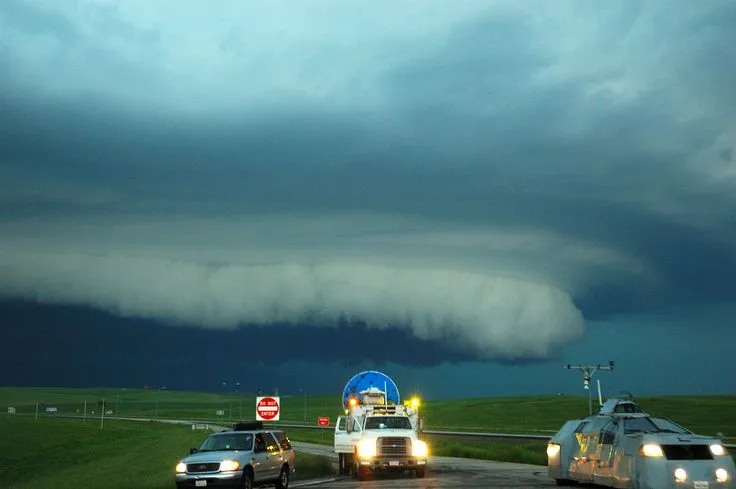
A road trip usually begins with a destination already entered into the navigation system. Storm chasing is different. The destination can change because the weather itself determines where the most useful viewing opportunities may develop. Travelers exploring storm chasing tours USA 2027 should therefore expect a journey built around forecast targets rather than a fixed list of towns and attractions.
This moving-target approach is one of the features that makes severe-weather travel unusual. A day can begin with several possible destinations, narrow down to one promising region, and change again as observations reveal what the atmosphere is actually doing. Understanding that process makes seemingly unexpected route changes much easier to appreciate.
A Target Is More Than a Place on the Map
In storm chasing, a target area is selected because atmospheric conditions suggest that interesting thunderstorms may develop there. The town nearest that area is often less important than the weather environment surrounding it. Forecast information helps identify where useful ingredients may overlap. Guides can then compare possible regions and decide which offers the better setup.
This means a destination is chosen for practical meteorological reasons. Travelers may find themselves visiting places they had never previously considered simply because that part of the Plains becomes important on a particular day.
Morning Decisions Are Not Permanent
Forecasting continues after the vehicle leaves for the day. New observations can strengthen confidence in the original target or provide reasons to reconsider it. For example, cloud cover might linger longer than anticipated in one area while conditions improve elsewhere. Thunderstorms may also begin developing sooner or farther from the expected location.
Changing direction in response is not necessarily a sign that the original plan was wrong. Forecasting deals with an evolving atmosphere, so adjusting to fresh information is a normal part of the process.
Several States Can Enter the Picture
Severe weather across the Plains is not confined to one city or state. During a multi-day trip, favorable conditions can shift considerably as larger weather systems move across the country.
People considering tornado chasing 2027 Wichita Kansas may use Wichita as an important starting point, but they should not assume every chase will remain nearby. The useful target on a particular day could require significant travel.
That mobility turns the trip into a broader exploration of severe-weather country rather than a conventional stay in one destination.
Road Choices Require Practical Thinking
Reaching a target is only part of the challenge. Once storms begin developing, the surrounding road network becomes increasingly important.
Useful routes depend on several practical considerations:
- Where the storm is moving
- Which roads provide suitable access
- Whether heavy rain affects visibility
- How traffic could influence movement
- Where alternative routes are available
- Whether a position allows sensible repositioning
A route that looks shortest on a map may not provide the most useful options once weather begins changing.
Unexpected Detours Can Add to the Journey
A changing target naturally creates an unpredictable travel experience. One day might involve crossing broad agricultural areas, while another passes through small communities or stretches of highway rarely included in standard vacation itineraries.
These detours can become memorable parts of the trip. Travelers see changing landscapes and gain a better sense of the size of the Great Plains. Keeping a simple record of towns, highways, and landscapes encountered along the way can help preserve this less obvious side of the experience.
Lunch May Depend on the Forecast Too
Even ordinary parts of the day can become flexible during a chase. Meal stops, fuel breaks, and rest periods need to fit around travel and expected storm development. When conditions are still several hours from becoming active, there may be plenty of time for a relaxed stop. If storms are expected sooner, practical breaks may need to be shorter.
Travelers can make this easier by carrying water and a few simple snacks. Being prepared reduces the need to depend entirely on finding a convenient stop at exactly the right moment.
Changing Targets Teach Adaptability
Following multiple forecast targets over several days provides a useful lesson in uncertainty. Travelers begin to see that weather decisions are based on probabilities and observations rather than guarantees. A region that appears highly promising can remain quiet, while another location may produce more interesting development than initially expected.
Instead of making the experience frustrating, these differences can deepen a traveler’s understanding of forecasting. They demonstrate why observing real conditions remains important even when sophisticated weather information is available.
The Destination Is Only Part of the Story
At the end of a conventional road trip, reaching the planned destination often represents success. Storm chasing has no equivalent finish line. The day’s value can come from the forecasting decisions, changing route, landscapes crossed, developing clouds, and weather eventually observed. Sometimes the most memorable element may even be an unexpected scene encountered while repositioning.
That makes the route itself an essential part of the adventure rather than merely transportation between two locations.
Conclusion
Changing weather targets give storm chasing its distinctive road-trip character. Forecast updates, shifting destinations, practical road choices, and unexpected detours all influence where each day leads, making adaptability more useful than a rigid itinerary.
With Storm Chasing Adventure Tours, travelers can experience this weather-driven approach to exploring the Plains, where the route develops alongside the forecast and each day’s destination has its own story.